

Our Genealogy. One Ocean, One People.
It began with an invitation—not to an event, but to a moment. A moment in which people, scattered across vast waters and countless islands, paused and turned toward each other.
The invitation was simple: Come together as one Oceania.


For generations, the people of Oceania lived as neighbors separated by invisible lines that pulled us apart. These divisions—political, cultural, linguistic—grew over time, etched deep into maps and minds. The colonial subdivisions of lands and seas shaped our realities, making it hard to relate, to share, to simply talk.
Now, a new movement is beginning to rise—not from a single island or voice, but from the collective pulse of the ocean’s people. We ask: Who are we, really? Not as divided Pacific islanders, but as children of the same ocean.
In June 2024, we came together in this first phase, the goal was not action, but reflection. People gathered in Honolulu—in person, in spirit—to speak their truths, to listen to one another, and to uncover a shared identity that had long been buried beneath boundaries


Participants
We are a people-powered movement with participants throughout Oceania who are steering our work and vision. This is only just the beginning.
Hawaii
•
Aotearoa
•
Tahiti
•
Samoa
•
American Samoa
•
Saipan
•
Tonga
•
Niue
•
Rapa Nui
•
Rapa Nui
•
New Caledonia
•
Guam
•
Federated States of Micronesia
•
Kiribati
•
Tuvalu
•
Cook Islands
•
Fiji
•
Papua New Guinea
•
Yap
•
Palau.
•
Hawaii • Aotearoa • Tahiti • Samoa • American Samoa • Saipan • Tonga • Niue • Rapa Nui • Rapa Nui • New Caledonia • Guam • Federated States of Micronesia • Kiribati • Tuvalu • Cook Islands • Fiji • Papua New Guinea • Yap • Palau. •

And in those conversations, one symbol emerged over and over again: the vaka.
The vaka—canoe, vessel, wayfinder. It was more than transportation; it was connection. Long before digital communication lines, it was the vaka that carried stories, songs, seeds, and people across the Pacific. It was the vaka that proved the ocean was not a barrier, but a bridge.
To honor the vaka was to acknowledge that the ocean never truly divided Oceania. It connected it.
This realization became the turning point. If the ocean was one, and they all traveled it through the same vessel, then weren’t they—at their core—one people?
With the vaka as our shared symbol, we the people of Oceania are now erasing old lines. And from this place of connection, a new question has emerged:
If we are one ocean, do we not share the responsibility to care for it together?
Our answer was yes.

Our Oli
From our gathering a commitment and a declaration was born. And a chant that defines who we are.

Our movement has now progressed. Not just to reconnect, but to reimagine. We are reaching father—to other communities, other islands, other voices—to start a bigger conversation about stewardship, solidarity, and shared possibility. And we are taking action for the protection of our own ancestral places.
We can only reach the future if we paddle together.
June 2024, Hui Pū Nā Leo o Moananuiākea, Hawai’i
In June 2014, 34 Pacific Island Indigenous and community and cultural leaders gathered in Hawaiʻi to discuss a shared responsibility to protect biocultural places for the people of Oceania.


Our LeaderShip Team
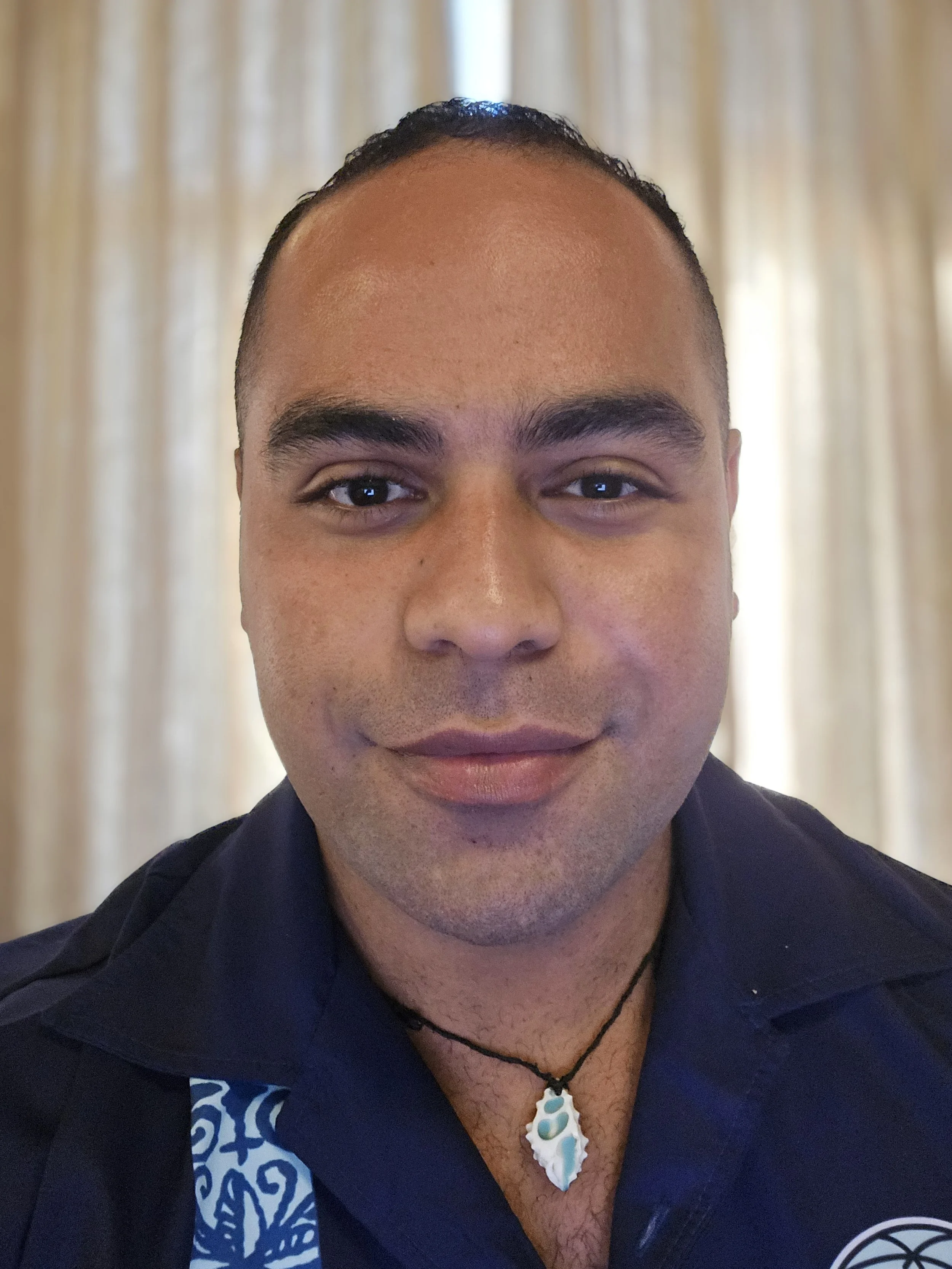
NiueJinNam Hopotoa is a Niuean cultural ambassador, conservationist, and multimedia artist. He is the Communications and Technical Officer for the Niue and Ocean Wide NOW Trust, a nonprofit currently transforming into a trust following a successful 7-year public-private partnership between the Government of Niue; it's priority is a financing mechanism that enables long-term predictable and sustainable funding to support Niue's Ocean conservation, resilience and sustainability into the future. Hopotoa was featured in National Geographic's Protecting Paradise documentary and is recognized for youth-led climate initiatives, notably participating as an Indigenous delegate at the COP29 climate summit. Hopotoa is also the CEO and Founder of Peau Pendants Niue, a first-of-its-kind conservation enterprise that combines luxury craftsmanship, circular economy innovation, and measurable environmental impact.
Our Team
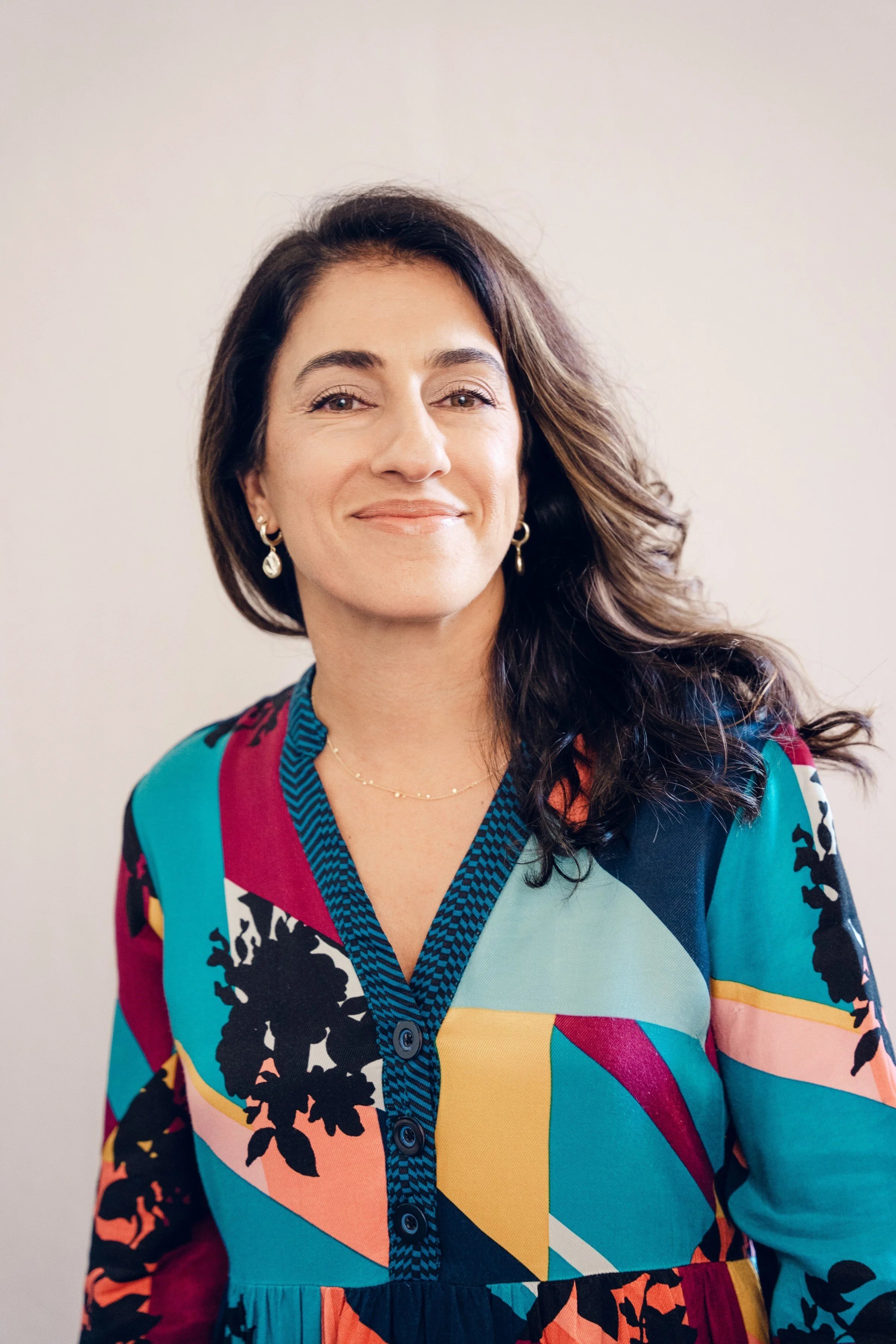
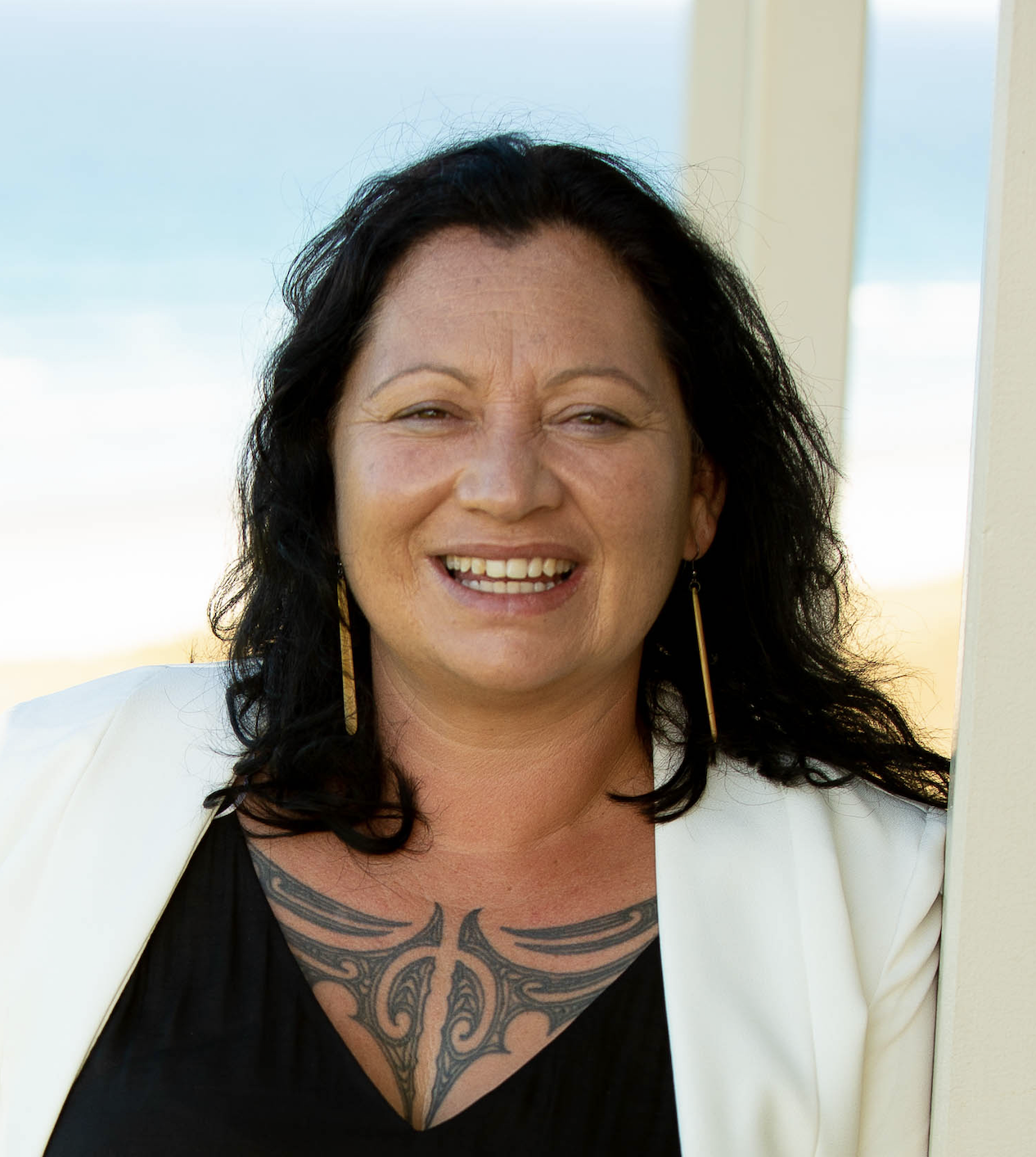
AotearoaSheridan Waitai (Ngati Kuri) is passionate leader dedicated to advancing outcomes for all peoples of Aotearoa New Zealand, with a unique and specific skill set that brings together proven commercial, cultural, social and community ‘real life’ experiences from governance to delivery across multiple sectors including environment, education, health and social services.
She has held executive and senior leadership roles within the public sector, iwi and community for the past 20 years and is a highly motivated results-driven inspiring leader and influencer, with proven expertise in strategic planning and relationships.
She has comprehensive experience with National and International NGO’s, Community and Government agencies. She has an innate ability to lead and inspire others to share resources and to take collective responsibility for actions that lead to outcomes. Sheridan has extensive networks and relationship across the country and has become a resource person to many people and initiatives. She has participated on number of boards, advisory groups nationally.
“Me he rākau mamore au nei, tu tonu (like a tree standing firm).”
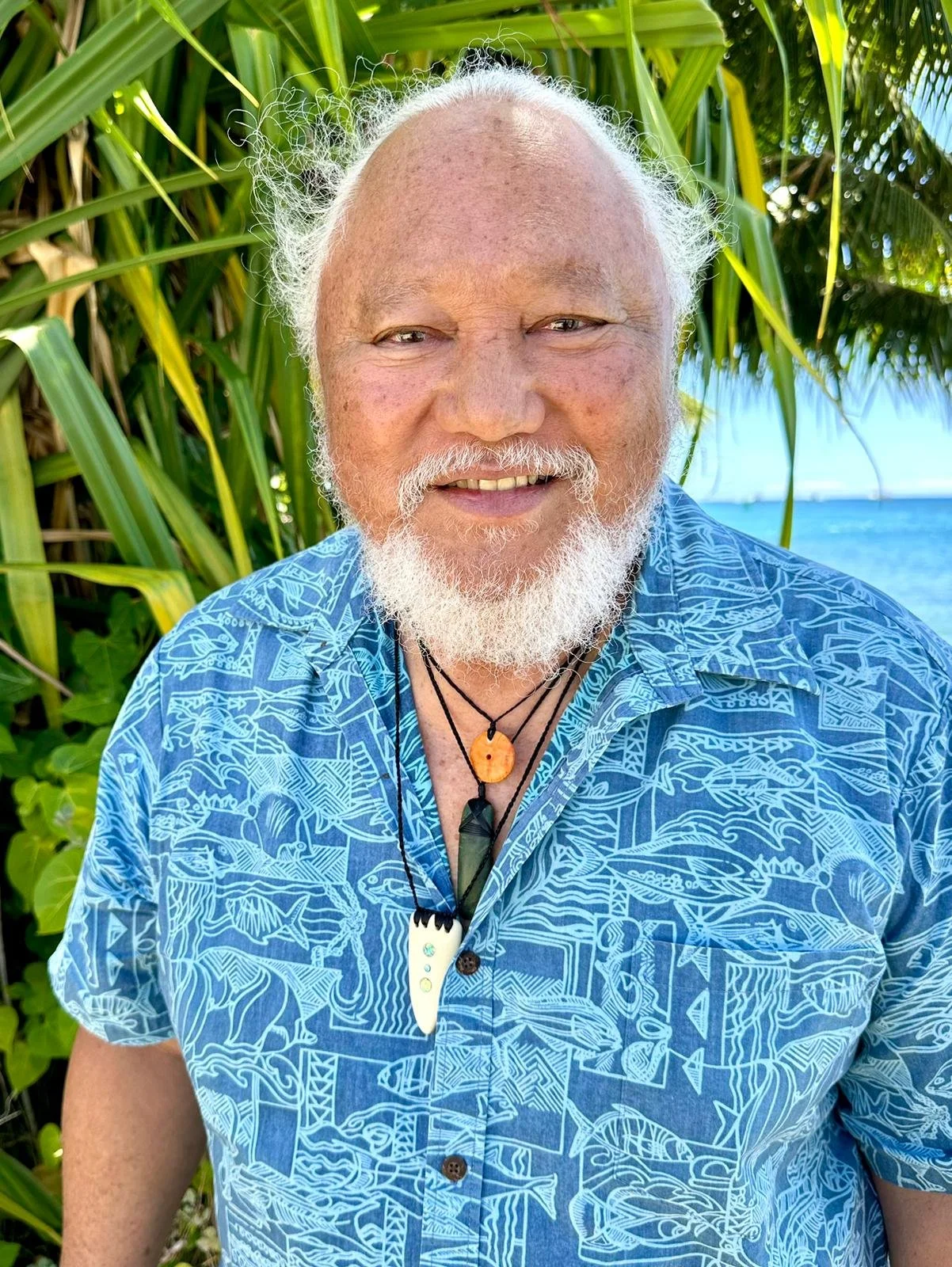
HAWAI‘ISolomon Pili Kahoʻohalahala, affectionately known as “Uncle Sol,” is a seventh-generation Native Hawaiian from Lānaʻi and a lifelong advocate for Indigenous rights and environmental stewardship. A respected cultural practitioner and community leader, his work is rooted in the Hawaiian value of āina momona—abundance and well-being through harmony with land and sea.
He has served in the Maui County Council, Hawaiʻi State Legislature, and chaired the Hawaiʻi Sovereignty Commission. As Executive Director of the Kahoʻolawe Island Reserve Commission, he led restoration efforts and co-founded the Lānaʻi chapter of Protect Kahoʻolawe ʻOhana. He also established the Maunalei Ahupuaʻa Managed Area to empower youth and preserve ancestral lands. Internationally, Uncle Sol is an observer at the International Seabed Authority, chairs the advisory councils of the Pacific Islands Heritage Coalition, Hawaiian Islands Humpback Whale National Marine Sanctuary and the Papahānaumokuākea National Marine Sanctuary. As a crewmember of the legendary double-hulled canoe Hōkūleʻa, he helps carry forward the legacy of Indigenous navigation and cultural revitalization.
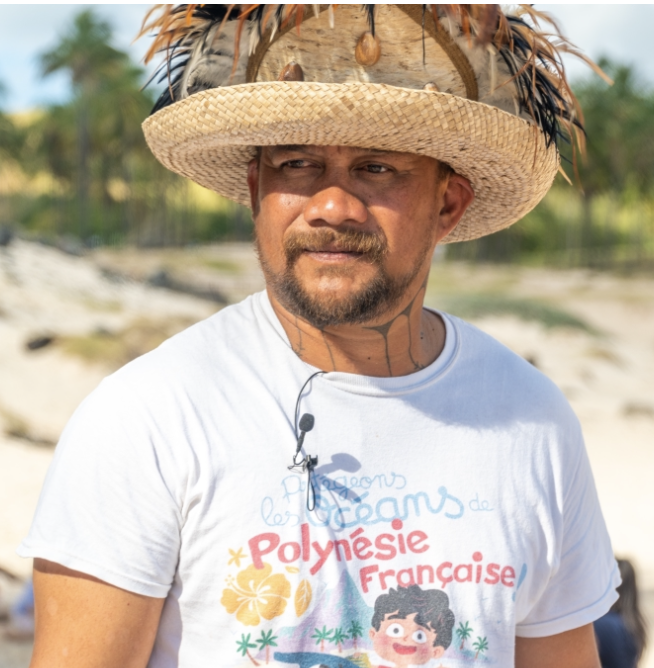
Rapa NuiLudovic Burns Tuki, is the coordinator of the Rapa Nui Ocean Council “Koro Nui o Te Vaikava.” For more than 7 Years he has also been the Executive Director of the community organization called Te Mau o te Vaikava o Rapa Nui.
He was the executive secretary of the Rapa Nui Public-Private Council and also as Executive Director of the Mesa del Mar.
Ludo has implemented eco-tourism and water sports projects on the island. His most proud achievement has been to work for the creation of the marine protected area “Te Moana Tapu a Hotu Matua” which allows ancestral artisanal and sport fishing to be protected with sustainable practices, leaving a legacy for future generations.
He is from Paumotu and Rapa Nui island and is a PADI dive master, surfer, and underwater hunter. He holds a diploma in tourist destination management.
HAWAI‘ISheila Raha Sarhangi has spent more than 25 years working in partnership with communities across Oceania to preserve cultural heritage and protect some of the planet’s most biodiverse places. She a strategist, campaigner, storyteller, facilitator, award-winning journalist and author focused on building movements capable of creating lasting change across the Pacific.